
The Invisible Hands of Indian Tourism: Who Really Benefits from Tourism Growth?
By Team Guidewala · 17 November 2026
An opinion article by Team GUIDEWALA
A visitor’s day might begin in a hotel and end at an airport. Between those two points, it can depend on dozens of people: a guide explaining a monument, a driver navigating busy streets, a cook preparing breakfast, a porter carrying luggage and a craftsperson demonstrating a skill learned over many years.
Some of these people work for established businesses. Others run small enterprises or depend on daily assignments. Together, they make a destination function—and give a journey its character.
When we celebrate tourism growth, we should ask how that growth changes their lives. More arrivals and investment can create opportunities, but those figures alone cannot tell us whether local workers earn more reliably, small businesses remain viable or residents have a say in decisions affecting their neighbourhoods.
The question is not simply how much tourism earns. It is who can participate, on what terms, and with what lasting benefit.
The People Behind the Visitor Experience
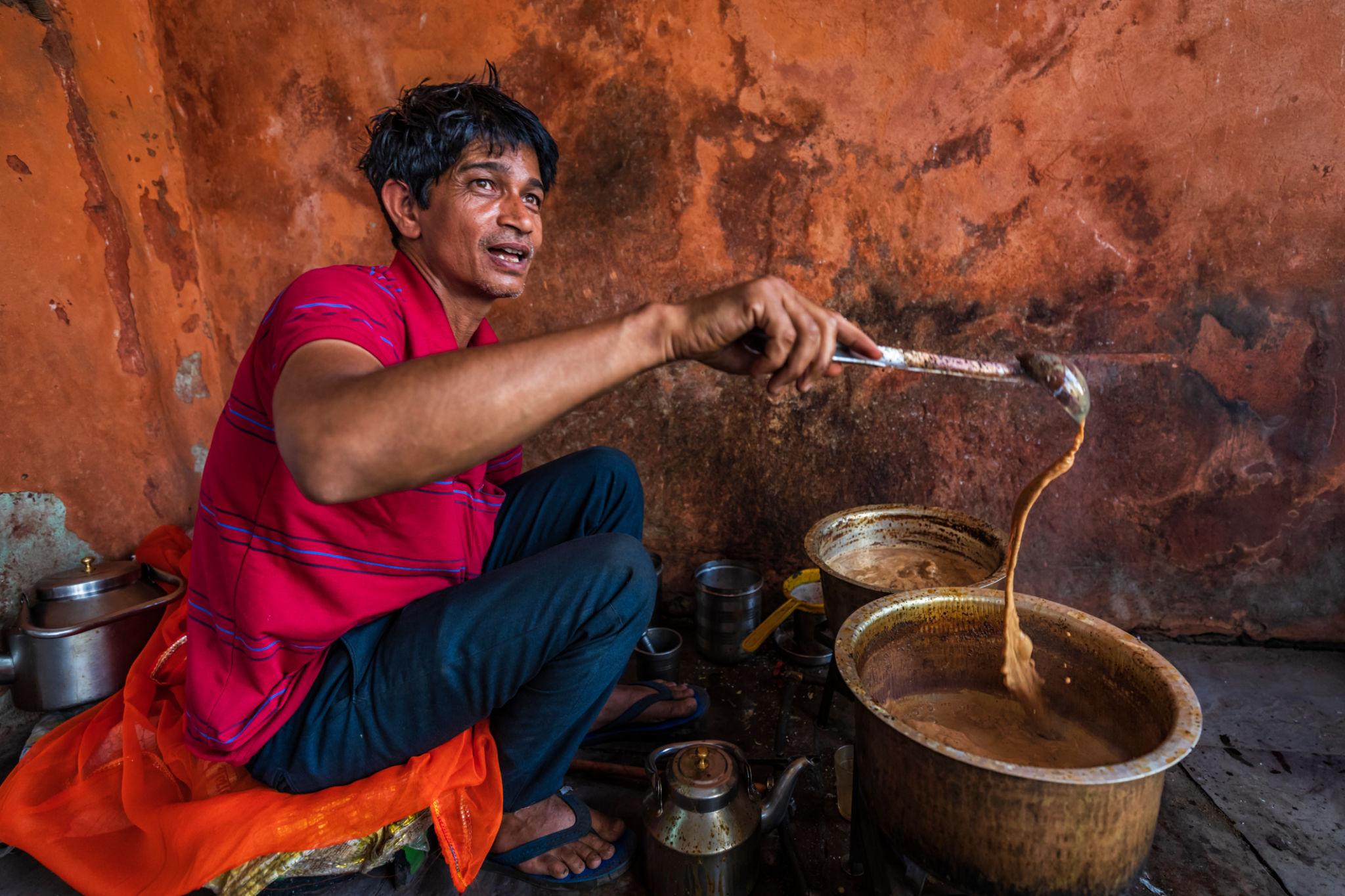
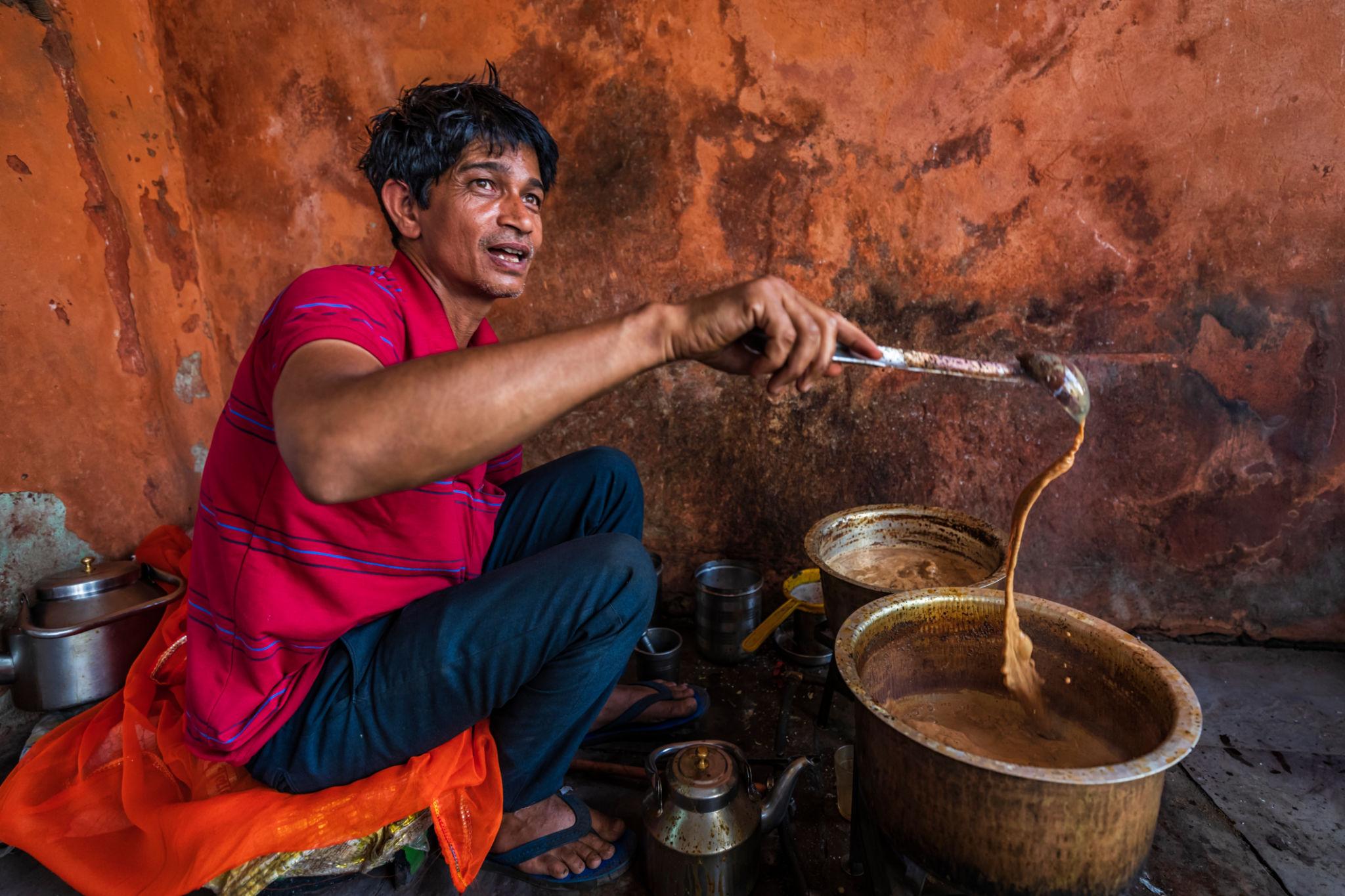
Imagine a traveller spending a day in Rajasthan. The itinerary may feature a fort, a palace and a comfortable hotel. The memories may also include a conversation over chai, a block-printing demonstration, a musician’s performance or a neighbourhood walk led by someone who knows its stories.
These experiences depend on knowledge, preparation and work. The person preparing food must purchase ingredients and maintain hygiene. The artisan must source materials and find buyers. The guide must develop destination knowledge, communication skills and a reputation for reliability.
Describing such encounters as “authentic” is not enough. The people providing them need fair payment, safe working conditions and the freedom to decide how they participate in tourism.
Nor should we romanticise insecurity. A picturesque workshop or a colourful market can be appealing to visitors while still being a demanding place to earn a living. Respect for local culture should include respect for the labour behind it.
Who Benefits When Tourism Grows?
Tourism connects businesses of different sizes. Airlines bring visitors, accommodation providers host them, booking companies help organise travel, and local suppliers provide products and services. Larger businesses can create employment and purchase from smaller enterprises; independent businesses can supply experiences that make a destination distinctive.
The important issue is how those connections work.
A rise in visitor spending does not automatically establish how much reaches local households. A package may include some local services while leaving little time for independent shopping or dining. A hotel may source from nearby producers or from suppliers elsewhere. A small operator may gain customers through a platform but also incur fees and marketing costs.
These arrangements should be examined with evidence rather than assumptions. Gross sales, business profit and a worker’s take-home income are different measures. A busy market does not, by itself, prove that each vendor is earning a secure livelihood.
Destination planning should therefore ask where spending goes, what costs workers bear and which groups struggle to access opportunities. The answer will vary by place, season and type of business.
Why Small Operators Can Be Easily Overlooked
An established company may have staff available for meetings, paperwork and marketing. A person running a stall or accepting daily guiding assignments may need to choose between attending a consultation and earning that day’s income.
Some workers have effective associations or unions. Others have limited access to representation, digital tools or information about development proposals. Women, people with disabilities and workers with caring responsibilities may face additional barriers to participation.
Seasonal demand can add uncertainty. Illness, extreme weather, transport disruption or a change in visitor routes can affect earnings. A business that depends on one location may be especially exposed when that space is redesigned or access changes.
These challenges call for practical support: accessible information, workable consultation times, straightforward procedures and assistance that reaches people beyond established industry networks.
Rajasthan: Heritage Includes the People Around It
Rajasthan offers a useful setting for this discussion. Its visitor experience brings together historic buildings, hospitality, markets, performance, food and craft traditions.
Consider the connections a thoughtful itinerary can make: a monument visit followed by a paid craft demonstration; an old-city walk with time for independent shops; or a cultural performance whose fee and arrangements have been agreed directly with the performers or their representative.
Such experiences can create additional opportunities, provided they are wanted by the participants and planned responsibly. They should respect residents’ privacy, local access needs and the visitor’s freedom to choose whether to buy anything.
A palace or fort tells part of a place’s story. The people who cook, guide, repair, perform, make and trade help explain how that place lives today. Heritage planning should make room for both.
Better Public Spaces Should Support Livelihoods
Clean streets, safe walking routes, sanitation, accessible facilities and well-managed transport benefit visitors and residents alike. Heritage protection and public safety also require clear operating standards.
The difficult question is how improvements are designed and implemented. Moving a small business away from its customers can threaten its viability even if a replacement space exists on paper.
Before redesigning a tourist street or market, authorities should consult affected workers and residents, assess likely effects on income and access, and explain the proposed arrangements clearly. Where relocation is necessary, the suitability of alternatives deserves serious attention: customer footfall, affordability, transport links, storage and basic facilities all matter.
Practical measures could include organised pickup points, suitable vending areas, shared waste collection, drinking water, toilets and clear pedestrian routes. The appropriate solution must reflect local conditions and applicable rules.
A successful improvement should be judged by how the place works afterwards—for residents, workers and visitors.
Inclusion Needs More Than a Policy Statement
There are official initiatives that recognise the role of people who interact with visitors. The Ministry of Tourism’s Paryatan Mitra and Paryatan Didi initiative includes training and awareness for local service providers such as drivers, guides, street vendors, shopkeepers and homestay owners. Its stated focus includes hospitality, cleanliness, safety and sustainability. Read the Ministry’s August 2025 update.
The Ministry’s Swadesh Darshan 2.0 guidelines also place environmental, socio-cultural and economic sustainability within destination development. Read the official guidelines.
These are useful foundations. They do not, on their own, demonstrate what every participant earns or how every destination has changed. That requires follow-up evidence.
Training should be evaluated alongside access to customers, working conditions and opportunities to use new skills. Participation figures can show reach; they should be accompanied by measures of practical benefit over time.
A Practical Agenda for More Inclusive Tourism
Give Local Workers a Place in Decisions
Include representatives of guides, vendors, artisans, independent transport operators, residents and community organisations in destination discussions. Provide accessible ways to contribute, including local-language information and meeting times that recognise working hours.
Consultation should happen early enough to influence the plan. Authorities should explain what they heard, what changed and how unresolved concerns will be addressed.
Make Skills Support Usable
Offer training in visitor communication, hygiene, safety, digital payments and basic business management where these skills are relevant. Short local sessions and practical demonstrations may be more accessible than programmes requiring repeated travel or lengthy absences from work.
Digital support should help a person complete real tasks: describe a service, respond to an enquiry, confirm a price and maintain a clear booking record.
Connect Small Enterprises with Buyers
Hotels and tour operators can identify suitable local suppliers, explain quality requirements and offer realistic ways to meet them. Paid demonstrations, local produce, craft products and professionally organised neighbourhood experiences can form part of those relationships.
Agreed prices, payment dates and cancellation terms matter. A small supplier should be able to understand the arrangement before committing time or materials.
Improve Access to Existing Support
Provide practical assistance in finding relevant registration, credit, insurance and welfare programmes, subject to their eligibility requirements. Information alone may be insufficient when someone needs help understanding an application or gathering documents.
The aim should be useful access without unnecessary administrative burden. Registration by itself does not guarantee income or protection.
Track Results Beyond Visitor Numbers
Alongside arrivals, investment and occupancy, destinations could monitor:
- Changes in participating workers’ earnings across busy and quiet seasons.
- Local purchasing by tourism businesses and payment timeliness.
- Small-business continuity after redevelopment.
- Participation by women and groups facing barriers to opportunity.
- Whether training leads to usable skills and paid work.
- Resident and worker feedback on access, crowding and facilities.
These are proposed measures, not claims about existing results. They need clear definitions, baseline information and proportionate data collection that respects people’s privacy.
What Travel Businesses and Guides Can Do
Hotels, travel companies and guides influence the choices available to visitors. They can introduce local businesses, explain the value of skilled work and design routes that allow time for meaningful encounters.
Responsible practice should include transparent arrangements. Travellers should know whether a visit involves a fee, a sales presentation or a commission-based recommendation. Shopping should remain optional, and a craftsperson’s time should not be treated as free entertainment.
Local sourcing must also meet appropriate quality, hygiene and safety standards. Supporting a small business and expecting professional service can go together. Clear expectations and constructive feedback make that relationship more useful to everyone involved.
What Travellers Can Do
Visitors cannot solve structural inequalities through individual purchases, but they can make thoughtful choices:
- Ask about locally operated experiences that suit your interests and budget.
- Agree on the service and price before starting a tour, ride or demonstration.
- Pay promptly and bargain respectfully where bargaining is customary.
- Ask how an item is made rather than assuming every souvenir is locally produced.
- Seek permission before photographing people, their homes or workplaces.
- Leave specific, honest reviews that help others discover good small businesses.
- Respect residents’ daily routines and avoid treating working neighbourhoods as a stage.
A meaningful local experience should offer value to the visitor and dignity to the person providing it.
Poverty Requires Dignity, Not a Tourism Spectacle
Visible hardship around a prosperous destination raises difficult questions, but poverty should never be presented as an attraction. People experiencing homelessness or relying on begging are not a category of tourism worker, and their circumstances require an appropriate social response.
Tourism planning cannot replace education, healthcare, housing, child protection or social welfare. It can, however, coordinate with relevant services and avoid approaches that merely move vulnerable people out of sight.
Residents should be treated as people with rights, needs and choices—not as elements of a destination’s image. Children and vulnerable adults should never be pressured to perform, pose or share personal stories for visitors.
The GUIDEWALA Perspective
At GUIDEWALA, our view is that local knowledge and human connection are central to a worthwhile journey. Guides can help visitors understand a place while encouraging respectful engagement with the people who live and work there.
Our founder’s story describes the idea of making guides more visible and connecting them with travellers. That purpose belongs within a wider discussion about fair opportunity across tourism.
For travellers, planning a guided visit is an opportunity to ask for clear service terms and discuss local interests. For the industry, the responsibility goes further: listen to small operators, value their work and assess whether commercial relationships offer them a dependable benefit.
Tourism should grow from its roots, with opportunity reaching the people who make a destination worth visiting.
A Better Test of Tourism Success
Investment, connectivity and thriving hospitality businesses matter. So do the prospects of the guide, driver, artisan, performer and vendor whose work contributes to the journey.
The two ambitions should reinforce each other. Better facilities can support local businesses; dependable local services can improve the visitor experience; fair commercial relationships can help both endure.
When a destination celebrates growth, the next question should be practical: have more local people gained reliable opportunities, a stronger voice and a fair return for their work?
That is the test of progress this article asks the tourism industry to take seriously.